

Why sorting waste is necessary
Related SDGs(17 Goals)
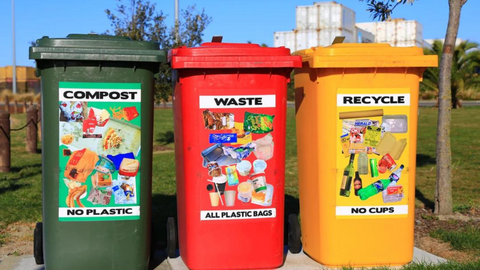
Waste separation is now commonplace, but why don't we take a moment to reconsider why we separate our waste?
For Recycling as Resources
Some waste can be recycled as resources. However, if recyclable resources are incinerated, they cannot be returned to their original resource form.
According to Tokyo Gas, crude oil, which is the raw material for plastic, is said to be depleted in about 50 years if current consumption continues. To avoid wasting limited resources, let's properly separate our waste and reuse resources.
Recyclable waste
- Used paper → cardboard, picture books, printing paper, etc.
- Paper cartons → toilet paper, kitchen paper, etc.
- Plastic bottles → uniforms, egg cartons, etc.
- Glass bottles → bottles, asphalt pavement, etc.
- Cans → automobiles, home appliances, building materials, rails, etc.
For Efficient Incineration
If waste is not separated, incineration efficiency decreases, and more landfill space becomes necessary. This leads to using more energy than necessary for waste incineration, which is detrimental to the environment.
Furthermore, incinerating non-combustible materials not intended for incineration can cause breakdowns in the incinerator.
By separating waste, we promote recycling and ultimately reduce waste. We kindly ask for your cooperation in waste separation once again.
Was this article helpful?
Why sorting waste is necessary
Waste separation is now commonplace, but why don't we take a moment to reconsider why we separate our waste?
For Recycling as Resources
Some waste can be recycled as resources. However, if recyclable resources are incinerated, they cannot be returned to their original resource form.
According to Tokyo Gas, crude oil, which is the raw material for plastic, is said to be depleted in about 50 years if current consumption continues. To avoid wasting limited resources, let's properly separate our waste and reuse resources.
Recyclable waste
- Used paper → cardboard, picture books, printing paper, etc.
- Paper cartons → toilet paper, kitchen paper, etc.
- Plastic bottles → uniforms, egg cartons, etc.
- Glass bottles → bottles, asphalt pavement, etc.
- Cans → automobiles, home appliances, building materials, rails, etc.
For Efficient Incineration
If waste is not separated, incineration efficiency decreases, and more landfill space becomes necessary. This leads to using more energy than necessary for waste incineration, which is detrimental to the environment.
Furthermore, incinerating non-combustible materials not intended for incineration can cause breakdowns in the incinerator.
By separating waste, we promote recycling and ultimately reduce waste. We kindly ask for your cooperation in waste separation once again.